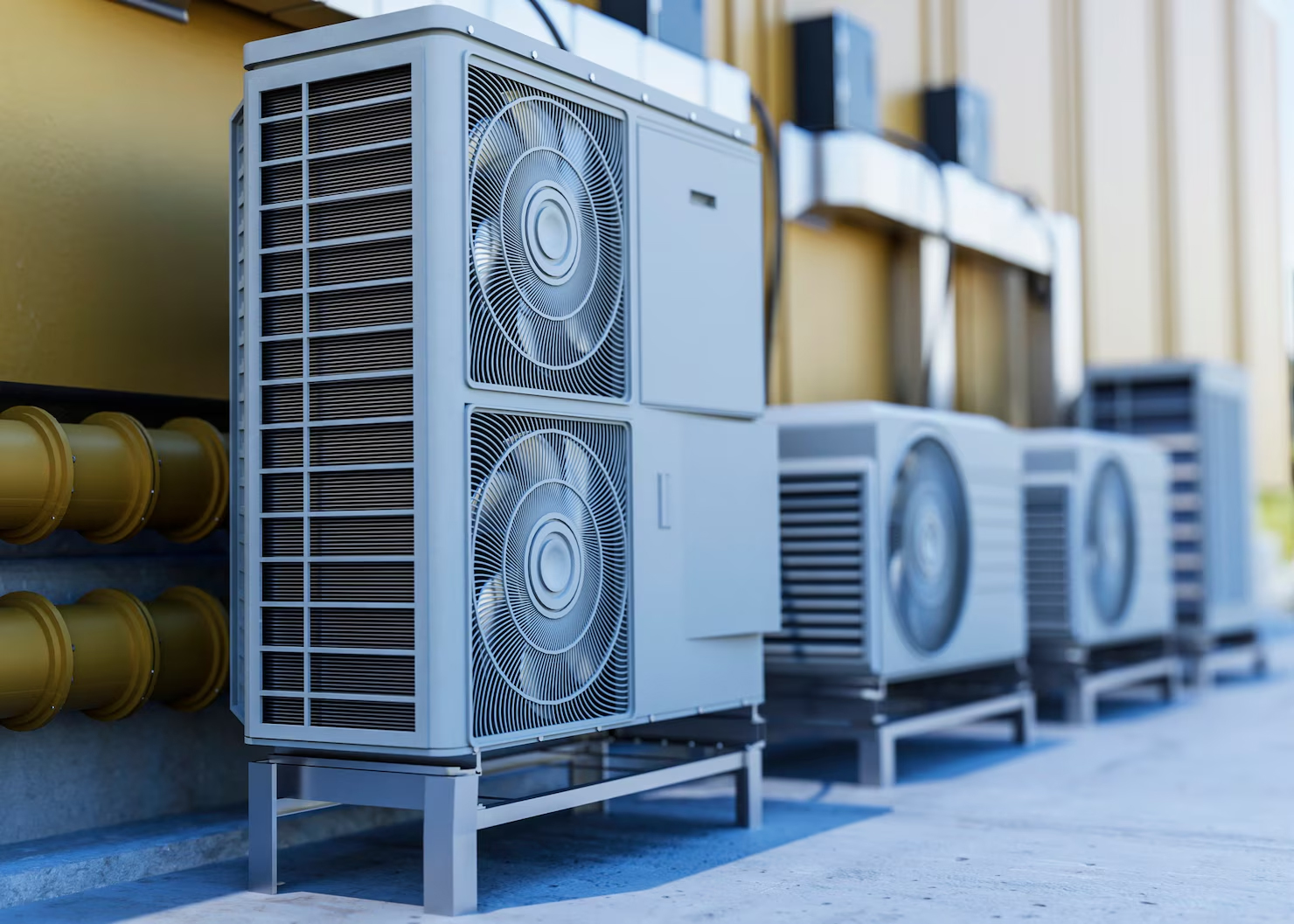
Electrical Maintenance
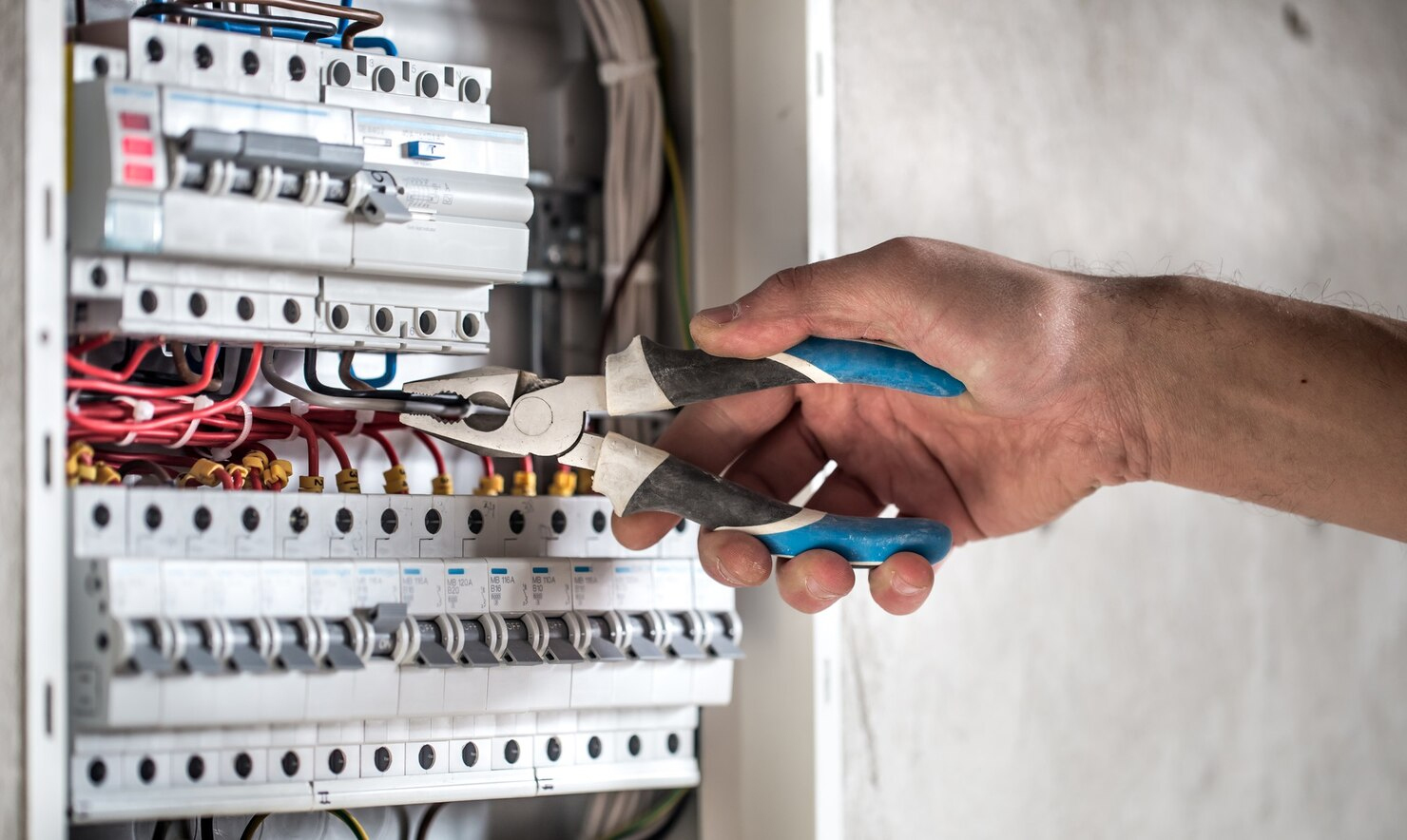
Electrical Maintenance

Authored by
APPCS
Date Released
17 February 2026
Introduction
Electrical systems are the backbone of every industrial and commercial facility. From powering heavy machinery to maintaining lighting, automation, and safety systems, electricity keeps operations running smoothly. However, without regular electrical maintenance, systems can become inefficient, unsafe, and prone to unexpected failures. Businesses searching for reliable electrical maintenance services often prioritize safety, uptime, and cost savings — and rightly so.
What is Electrical Maintenance?
Electrical maintenance refers to routine inspection, testing, servicing, and repair of electrical systems to ensure they operate safely and efficiently. This includes:
- Panel inspections
- Cable testing
- Load balancing
- Earthing checks
- Thermal scanning
- Circuit breaker testing
Regular maintenance prevents faults before they occur, rather than reacting after a failure.
Why Electrical Maintenance is Important
1. Prevents Unexpected Breakdowns
Unexpected electrical failures can halt operations, leading to downtime losses and production delays. Preventive maintenance identifies weak components early.
2. Improves Safety
Faulty wiring, overloaded circuits, and worn insulation can cause fire hazards or electric shocks. Routine inspection ensures all systems meet safety standards.
3. Reduces Energy Consumption
Poor electrical systems waste power. Maintenance improves efficiency, reduces power loss, and lowers electricity bills.
4. Extends Equipment Life
Well-maintained electrical systems reduce strain on machinery, extending lifespan and lowering replacement costs.
Types of Electrical Maintenance
Preventive Maintenance – Scheduled inspections to detect issues early.
Predictive Maintenance – Monitoring equipment performance to predict failures.
Corrective Maintenance – Repairing faults after detection.
Emergency Maintenance – Immediate response during breakdowns.
Industries usually combine all four methods for complete protection.
Key Components Checked During Maintenance
Professional technicians evaluate:
- Distribution boards
- Transformers
- Switchgear systems
- UPS systems
- Lighting panels
- Control panels
Each component is tested for voltage stability, overheating, insulation strength, and performance efficiency.
Signs Your Facility Needs Maintenance
You should schedule electrical maintenance if you notice:
- Frequent tripping
- Voltage fluctuations
- Burning smell near panels
- Flickering lights
- Rising electricity bills
Ignoring these warning signs can lead to major failures.
Choosing a Professional Electrical Maintenance Service
When searching online for electrical maintenance services, businesses should look for providers who offer:
- Certified technicians
- Testing equipment
- Emergency support
- AMC contracts
- Detailed inspection reports
A professional service provider ensures compliance with industry safety regulations.
Conclusion
Electrical maintenance is not an optional expense — it is a critical investment in safety, productivity, and cost efficiency. Businesses that implement regular maintenance schedules experience fewer breakdowns, lower energy costs, and longer equipment life. Partnering with a trusted electrical maintenance company ensures uninterrupted operations and long-term reliability.