Fire and Safety
Fire and Safety

Authored by
APPCS
Date Released
17 February 2026
Introduction
Fire hazards are one of the most serious risks faced by industries and commercial buildings. A small electrical fault or equipment overheating can quickly escalate into a dangerous fire incident. That’s why businesses actively search for reliable fire and safety solutions that protect assets, employees, and infrastructure.
What are Fire and Safety Systems?
Fire and safety systems are integrated protection mechanisms designed to detect, control, and extinguish fires. These systems typically include:
- Fire alarm systems
- Smoke detectors
- Sprinkler systems
- Fire extinguishers
- Emergency exit lighting
- Fire suppression systems
These components work together to provide early detection and rapid response.
Importance of Fire Safety for Businesses
Protects Lives
Employee safety is the top priority. Early detection systems allow safe evacuation before fire spreads.
Protects Property
Fire accidents can destroy expensive equipment and infrastructure. Safety systems reduce damage and insurance costs.
Ensures Legal Compliance
Many industries must follow strict fire safety regulations. Installing certified systems ensures compliance and avoids penalties.
Reduces Financial Loss
Fire damage often leads to production stoppage, legal claims, and reconstruction costs. Prevention is always cheaper than recovery.
Types of Fire Protection Systems
Active Fire Protection
These systems actively fight fire:
- Sprinklers
- Suppression systems
- Fire extinguishers
Passive Fire Protection
These systems prevent fire spread:
- Fire-resistant walls
- Fire doors
- Fireproof coatings
A combination of both provides maximum safety.
Common Fire Risks in Industrial Facilities
Industrial environments have higher fire risk due to:
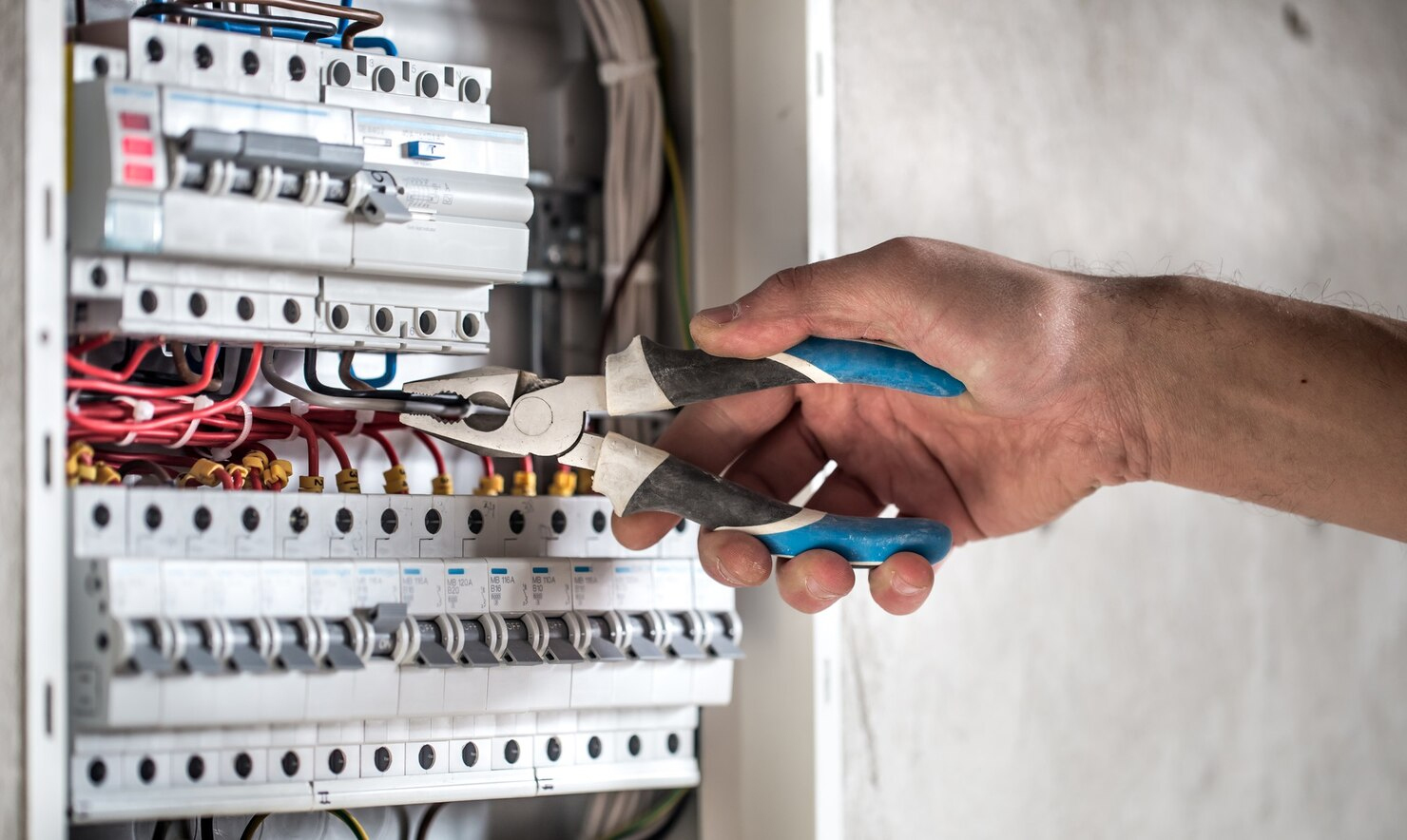
- Overloaded electrical panels
- Flammable materials
- Heat-generating machinery
- Chemical storage
Professional fire safety audits help identify and eliminate these risks.
Maintenance of Fire Safety Systems
Installing systems is not enough. Regular maintenance is essential. Inspections should include:
- Alarm testing
- Detector cleaning
- Pressure checks for extinguishers
- Sprinkler valve testing
Routine testing ensures systems work when needed most.
Choosing a Fire Safety Service Provider
When selecting a fire safety company, look for:
- Certified technicians
- Compliance knowledge
- Installation + maintenance support
- Custom system design
- Emergency assistance
A professional provider will assess your building layout and design a tailored safety solution.
Conclusion
Fire safety is a critical responsibility for every business. Investing in reliable fire protection systems not only ensures legal compliance but also protects lives, assets, and operations. Companies that prioritize fire safety create secure workplaces and safeguard their long-term business continuity.